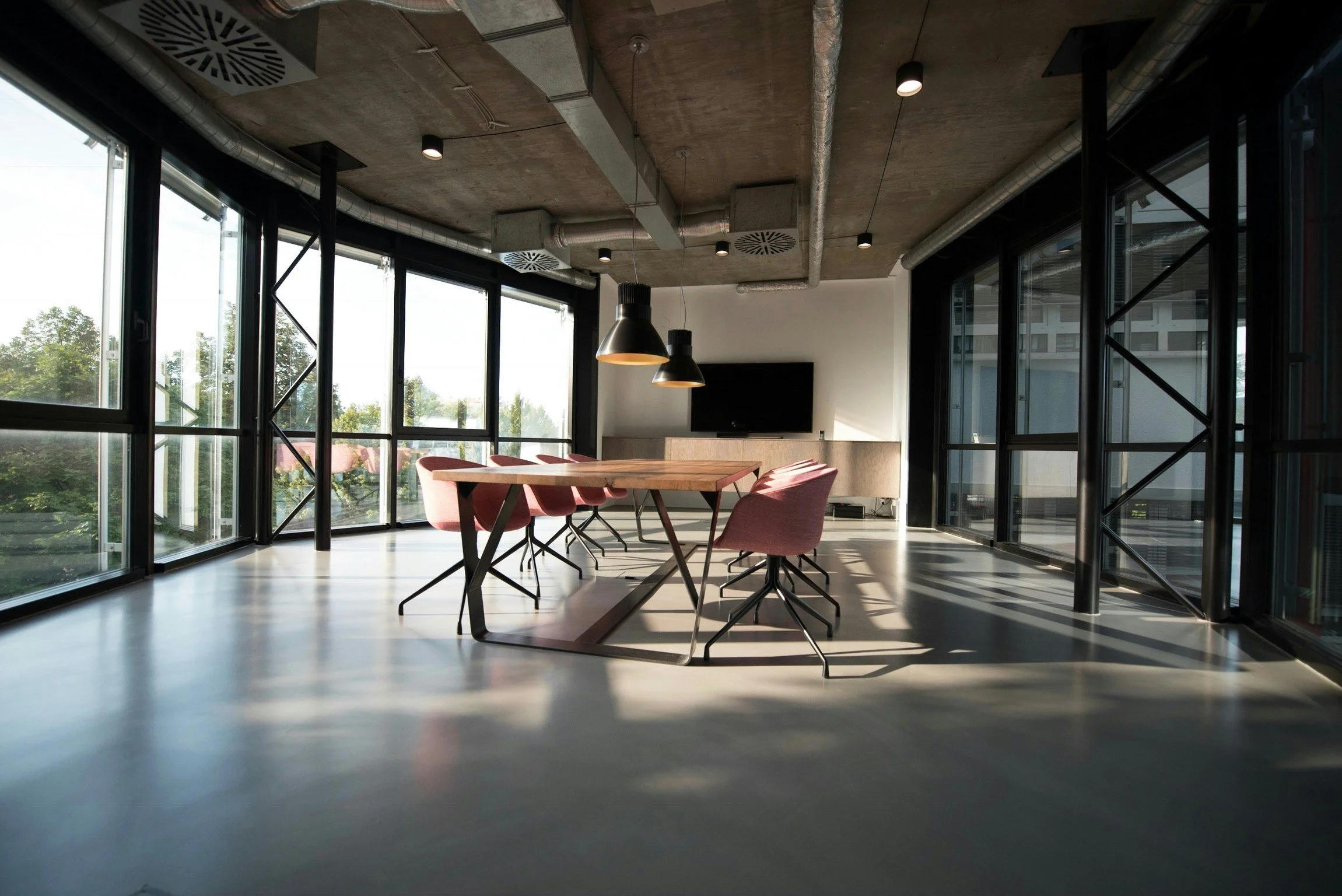
From “more light” to “better light”
Lighting is more than illumination — it shapes how we perceive space, materials and people. In this section we share insights from architectural lighting practice: the principles that guide good design, the techniques that elevate a room, and the considerations that ensure comfort, clarity and atmosphere. These short notes aim to make the fundamentals of light accessible, practical and directly applicable to real projects.
-
Spaces feel brighter and more legible when walls are lit, not just floors. Vertical illuminance improves orientation, perceived brightness and comfort – often without increasing connected load.
-
High-quality LED with precise optics allows us to show artwork at its best while managing lux hours and protecting sensitive materials, from works on paper to textiles.
-
We start with what needs to be seen: people, objects, surfaces and architecture. The luminaire simply becomes the tool to deliver that light – ideally as quietly in the space as possible.